Personal Selling for Independent Makers: How to Pitch Shops and Close Placement Deals

Personal selling is direct, one-on-one conversation with a prospective buyer, a shop owner, cafe manager, or boutique operator, where you present your products and guide them toward a placement decision. For independent makers without marketing budgets, it's the single most effective distribution method because you handle objections in real time, show your work physically, and close a deal in one conversation.
If you're figuring out how to approach a local shop about stocking your products, personal selling is your method. Not cold email. Not a brochure in the post. Not an Instagram DM. It's a prepared, face-to-face conversation where you listen as much as you talk.
The window for placing products before the holiday season closes fast, retail buyers making shelf decisions in October and November are thinking about what will sell through December. That seasonal urgency makes personal selling, not slower outreach channels, the practical tool right now.
Pair personal selling with consignment terms and you remove the merchant's core objection before they voice it. Selling through someone else's store on consignment means no upfront stock cost for them. That single detail changes the entire conversation.
What Is Personal Selling and How Does It Differ from Direct Marketing?
Personal selling is two-way, real-time conversation between you and a prospective buyer, aimed at matching your product to their specific situation. It differs from direct marketing and sales promotion in one fundamental way: it's interactive. The merchant can object, you respond, and the pitch adapts on the spot.
Independent makers frequently mix up these three terms.
Personal selling vs. direct marketing. Direct marketing sends a message to a list, email, flyer, social post, then waits. No live exchange. A maker who emails fifty cafes a product sheet is doing direct marketing, not personal selling. Direct marketing scales easily but can't handle nuanced objections like "we don't have shelf space" or "we've had bad experiences with local suppliers."
Personal selling vs. sales promotion. Sales promotion is a time-limited incentive designed to spike a purchase: a discount, a bundle, a free trial. It's a tactic, not a conversation. A maker who offers "three units at half price this month" is using sales promotion. Done without personal selling behind it, sales promotion rarely builds the trust that keeps products on shelves long-term.
For makers seeking consignment placements, personal selling is the primary method. You're not selling units in bulk to a wholesaler. You're convincing an individual merchant, cafe owner, boutique buyer, hotel manager, that your products will earn their counter space and that the arrangement will be straightforward to manage. That requires conversation, not a campaign.
Understanding how shared retail networks support local economies can also strengthen your pitch. Merchants are often receptive to the idea that stocking local makers reflects well on their own brand.
The Personal Selling Process: Seven Steps from Research to Close
Personal selling for makers follows a clear sequence. Skip steps and the pitch tends to collapse at the objection stage. Work through each one deliberately and you arrive at the close with most of the merchant's concerns already addressed.
Step 1: Prospect. Identify the right merchant spaces before you approach any of them. A boutique with a gift corner, a cafe with a counter display, a hotel with a lifestyle shop near reception, these are your prospects. Filter by foot traffic, customer demographic alignment with your product, and whether the venue already hosts maker products. Walking in cold to the wrong shop wastes both your time and the merchant's.
Step 2: Research before you walk in. Preparation before you walk in shapes the entire conversation. Visit the space as a customer first. Note the existing display, price points of products already stocked, and how busy the counter or shelf area is. Know the owner's name if you can find it. A merchant who hears their venue described back to them accurately becomes more receptive within the first minute.
Step 3: Open with a problem, not a product. Your opener should reference something specific to their space, not your range. "I noticed you don't currently have a handmade gifts section, I work with cafes to add one on consignment, at no cost to you" is more effective than "Hi, I make ceramic mugs, would you like to stock them?"
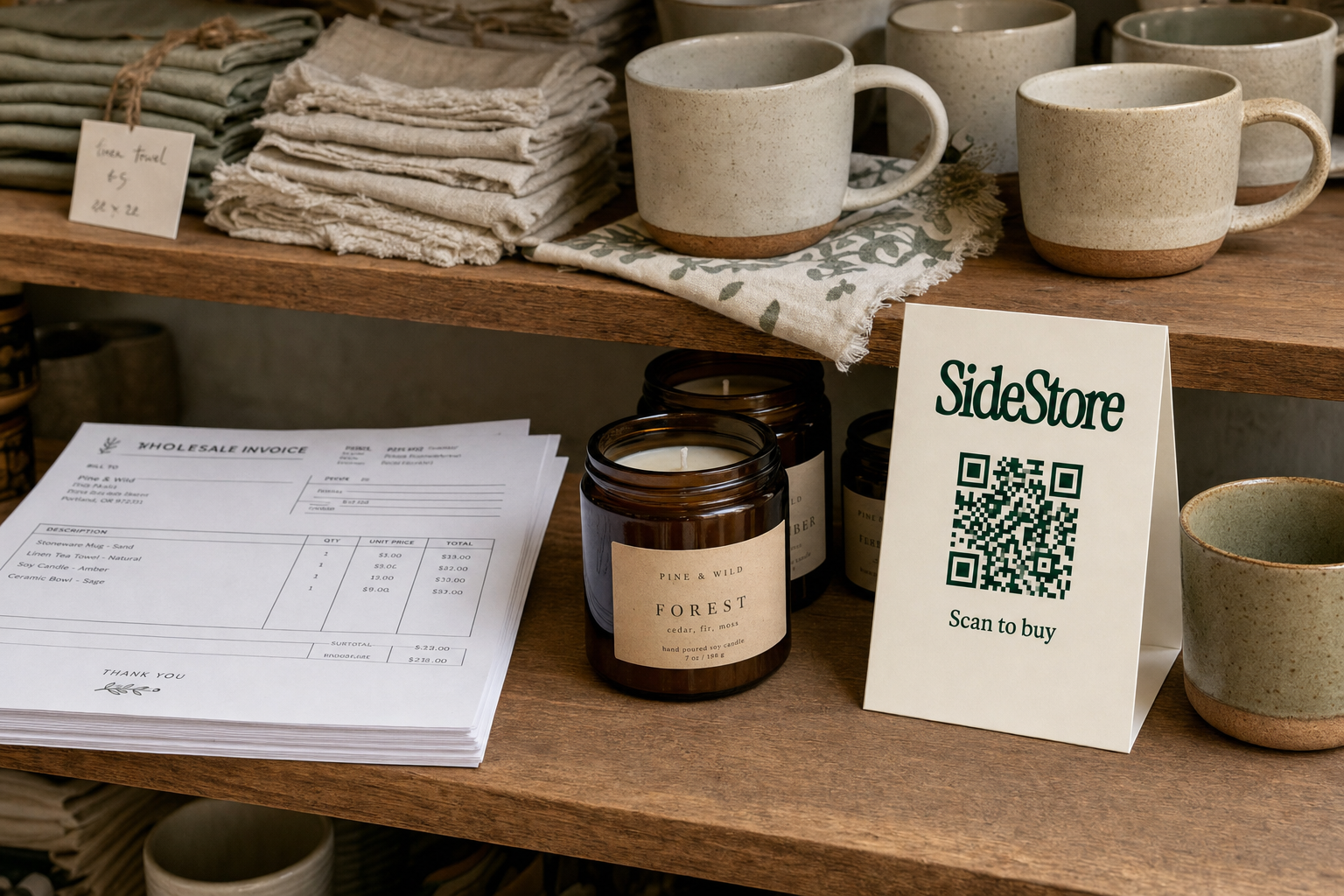
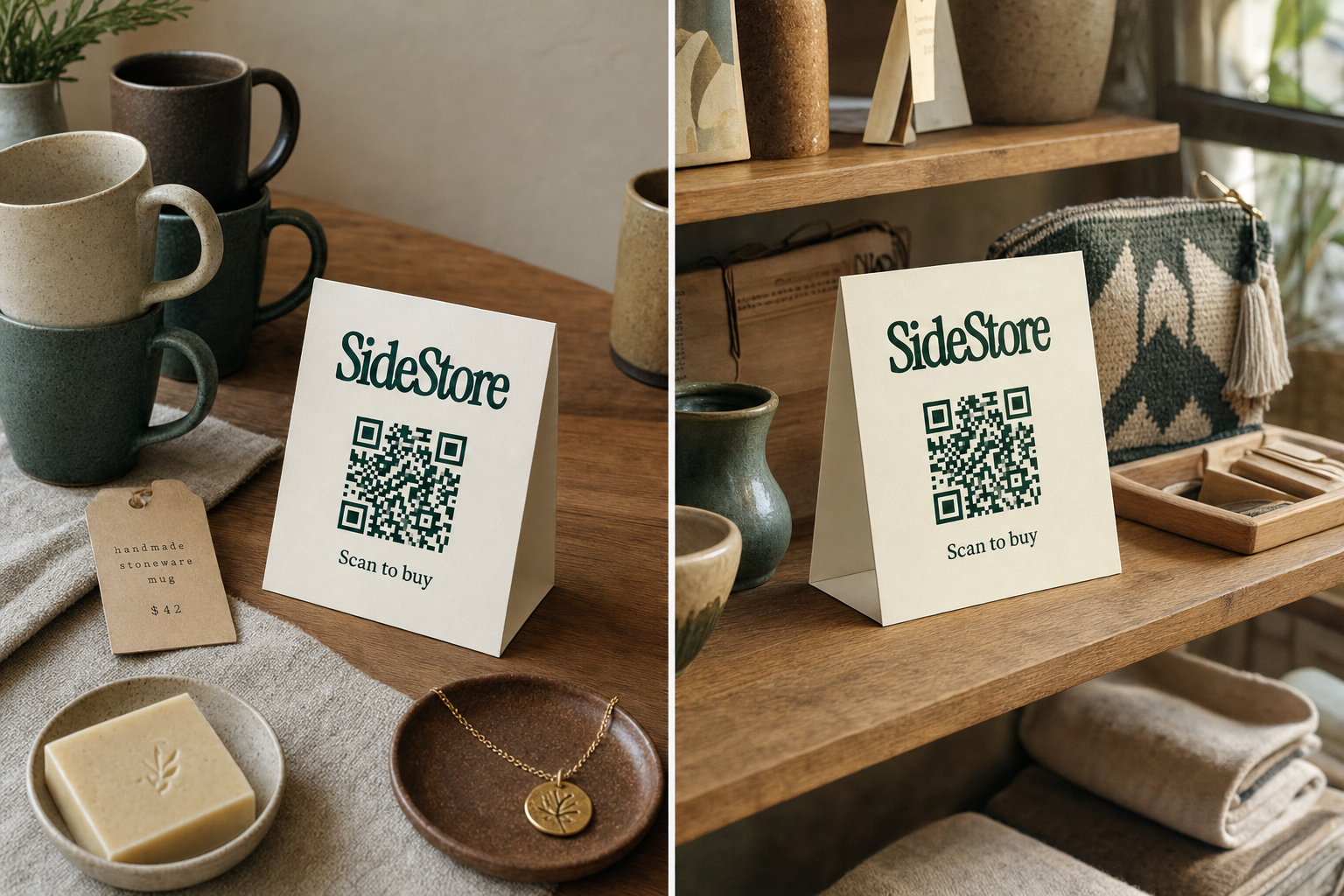
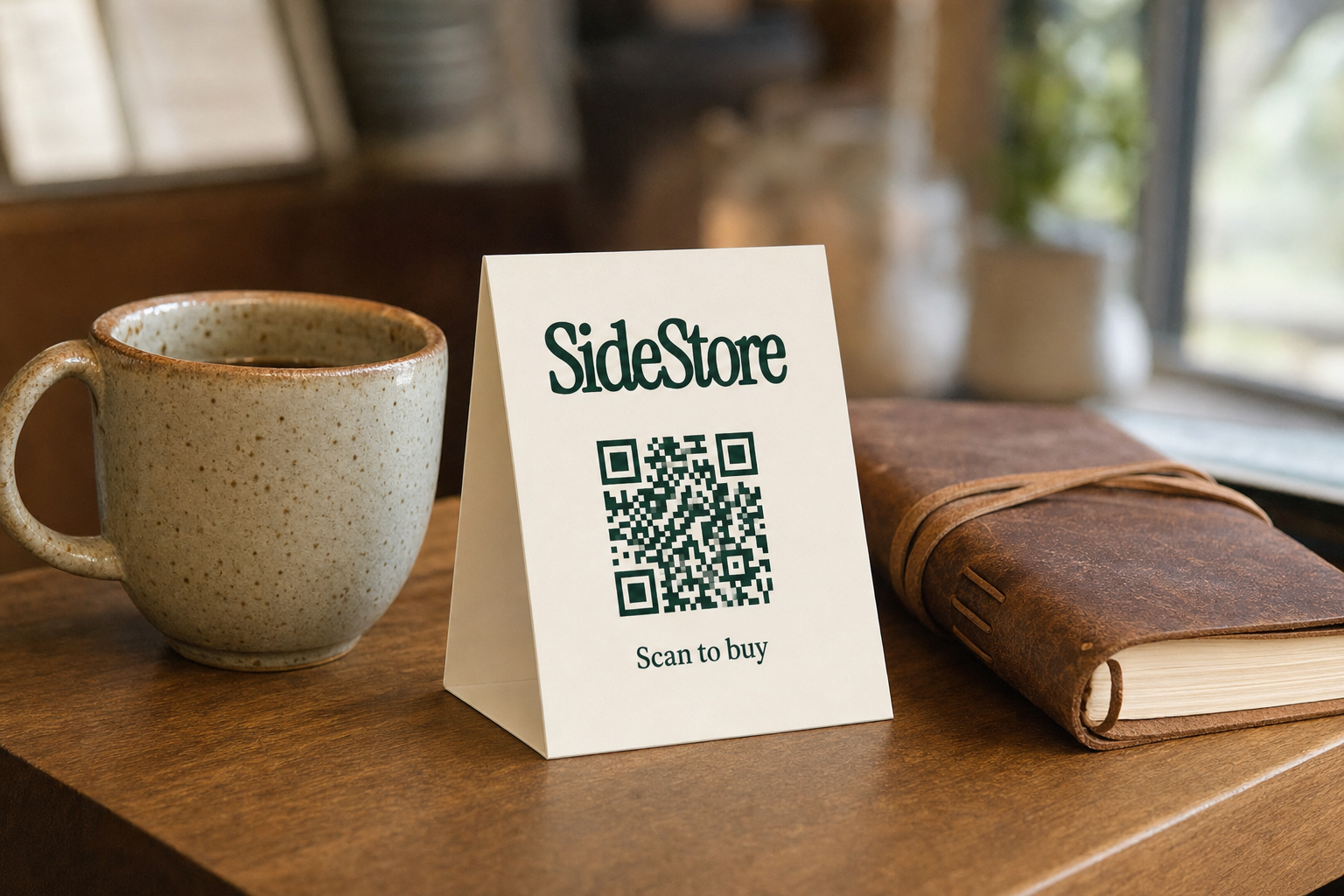
Step 4: Present your product in context. Show the physical product. Describe who buys it and why. If you use the SideStore Retail Widget, you can show the merchant the live stock tracking dashboard and the scan-to-pay QR checkout on your phone. This makes the operational side of consignment concrete, not theoretical.
Step 5: Handle objections. The two most common merchant objections are "we don't want to carry stock we've paid for" and "we don't have time to manage another supplier." Consignment resolves the first. The Retail Widget, handling checkout, stock tracking, and automatic split payouts, resolves the second. Know your answers to both before you walk in. Review consignment agreement terms every maker should know so you can speak to the arrangement confidently.
Step 6: Close clearly. Don't leave a meeting with a vague "let me think about it" hanging. Propose a specific trial: a set number of units, a defined shelf position, and a review date four to six weeks out. A low-commitment trial framed around consignment stock terms and conditions is easier for a merchant to say yes to than an open-ended arrangement.
Step 7: Follow up. Send a brief message within 24 hours confirming what was discussed and what happens next. Keep it short. One paragraph covering the trial terms, the review date, and how to reach you is enough.
Pitch Approach Comparison: Cold Email vs In-Person Personal Selling vs Consignment Platform
Not every outreach method produces the same result. The table below compares three approaches, assessed honestly and without invented conversion figures.
| Approach | Effort to initiate | Typical merchant response rate | Main merchant objection | Removes inventory risk? | Best for |
|---|---|---|---|---|---|
| Cold email | Low | Low; most go unanswered | "No budget for new stock" | No | Reaching many merchants quickly at low cost |
| In-person personal selling | High | Noticeably higher when prepared | "Too much effort to manage" | No (unless terms are specified) | Building trust and closing placement deals |
| Consignment platform (e.g. SideStore) | Medium | Moderate; merchant sees the model immediately | "Sounds complicated" | Yes, by design | Makers who want to scale placements systematically |
The strongest combination is in-person personal selling paired with a clear consignment offer. You show up, build rapport, and remove the merchant's core objection, upfront stock cost, by explaining that consignment means they only pay when products sell. Adding consignment inventory software to manage those placements means the merchant also loses the "too much admin" objection. Personal selling closes the deal; the right tools make the arrangement easy to sustain.
What Skills Make Personal Selling Work for Makers?
The skills that make personal selling effective are not the same ones that make a good product. Many talented makers struggle to place their work in shops not because the product is wrong but because the conversation skills need work. Here are the five that matter most.
Active listening. The instinct in a pitch is to talk. Resist it. Ask the merchant what their current display challenges are, then listen fully before responding. Merchants who feel heard are significantly more open to a trial placement. A useful opener: "What do customers most often ask for that you don't currently stock?"
Preparation and product knowledge. You should be able to answer any question about your product, materials, provenance, typical buyer, shelf life, restock lead time, without hesitation. Vagueness signals risk to a merchant. Know your numbers: your unit wholesale equivalent, your suggested retail price, and the split you're proposing.
Objection handling. This skill separates placements that close from pitches that stall. The consignment model and the SideStore Retail Widget give you specific, honest answers to the two objections merchants raise most often: "I don't want to buy stock upfront" (consignment removes that entirely) and "I don't want to manage another supplier's admin" (the Retail Widget handles checkout, stock tracking, and split settlement automatically).
Clarity and brevity. A pitch that meanders loses merchant attention fast. State the offer in two sentences, show the product, and pause. Silence invites the merchant to engage rather than waiting for you to finish talking.
Persistence without pressure. Following up once after a pitch is professional. Twice is acceptable if there was genuine interest. Beyond that, move to the next prospect. Different venues suit different products. A ceramic maker placing work in selling retail products in a salon environments or exploring products that sell well on a cafe counter will find that some spaces simply aren't the right match. That's information, not rejection.
Where to Apply Personal Selling: Choosing the Right Merchant Spaces
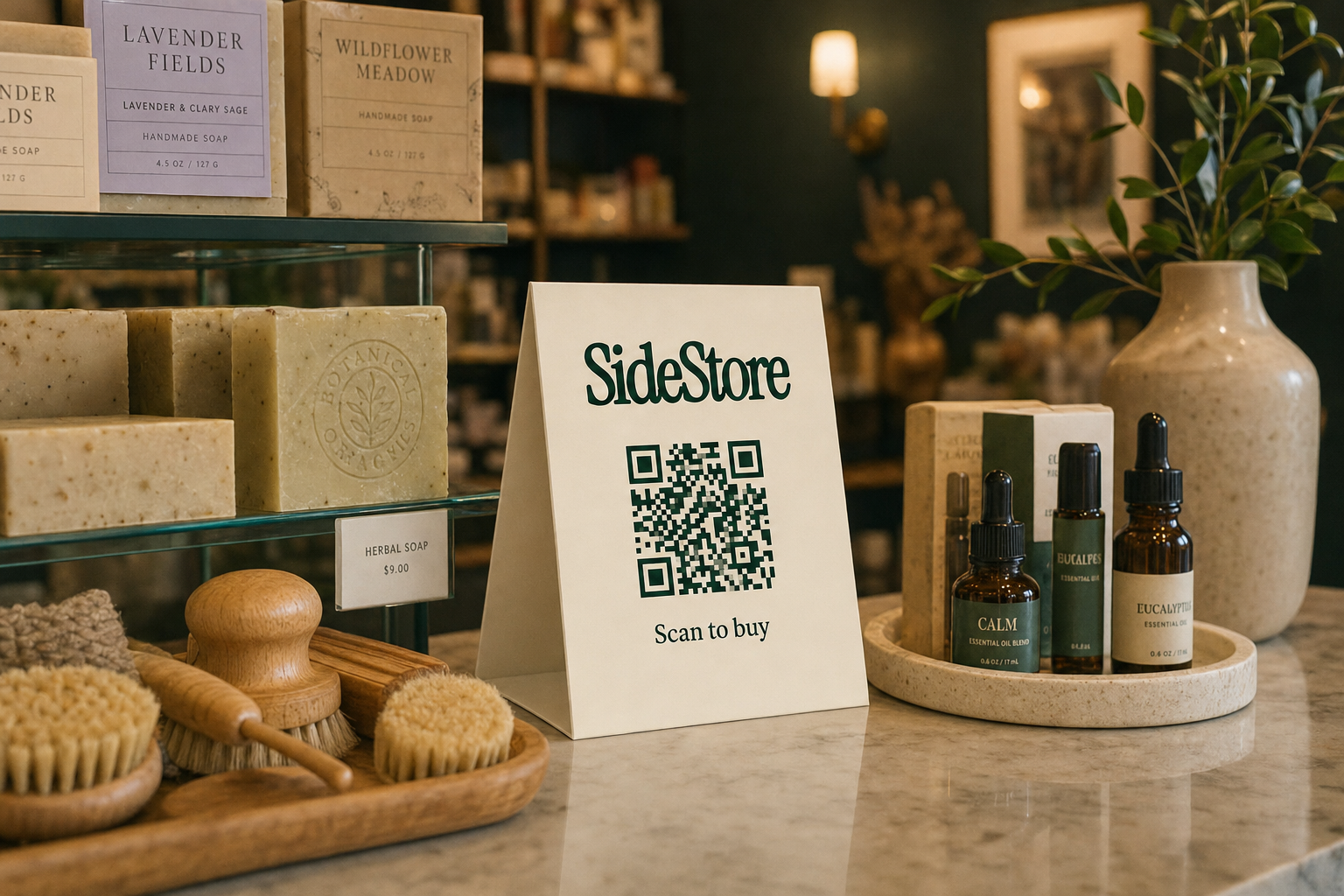
The right venue for your personal selling effort is specific, not generic. Targeting the wrong space wastes your preparation time and produces a no that discourages further effort. Use these criteria to filter before you walk in.
Venue types worth prioritising:
- Independent cafes and coffee shops with counter display space
- Boutique gift shops and lifestyle stores with curated product ranges
- Hotels with a lobby retail area or welcome amenity section
- Bed and breakfasts with a local goods display
- Hair and beauty salons with a retail counter
- Yoga studios, wellness centres, and gyms with a small retail offering
- Independent bookshops with a gift or stationery section
Practical filtering criteria:
- Does the venue already stock maker or artisan products? If yes, the owner understands the model.
- Is the foot traffic consistent, not just weekend-heavy?
- Is the customer demographic aligned with your product's buyer profile?
- Does the space have a visible display area, counter, shelf, or wall, that isn't already overloaded?
- Is the owner present in the venue, rather than a manager with no authority to make a stocking decision?
For makers placing art prints or handmade goods, guidance on how to sell art prints in cafes covers the specific pitch language that works in hospitality settings. The broader principles of selling through someone else's store apply across all venue types. If you're unclear whether a hospitality venue qualifies as a retail opportunity, is a coffee shop considered retail addresses that question directly.
Personal Selling for Makers: Common Questions
The questions makers ask most often about personal selling fall into two categories: definitional (what is it?) and practical (how do I do it?). Both matter. Getting the definition right stops you from wasting time on tactics that look similar but produce different results.
What is the definition of personal selling in marketing?
Personal selling in marketing is direct, one-on-one communication between a seller and a prospective buyer, with the goal of making a sale or securing a placement. It's interactive by definition: both parties exchange information in real time, and the seller adapts the pitch based on the buyer's responses. For makers, this typically means a face-to-face conversation with a shop or cafe owner.
What are the main steps involved in the personal selling process?
The personal selling process generally follows seven steps: prospecting, pre-approach research, opening the conversation, presenting the product, handling objections, closing, and following up. Each step builds on the last. Skipping pre-approach research means arriving at the objection stage without the specific knowledge needed to answer a merchant's concerns convincingly. A consignment agreement for artists supports the close and the follow-up stages.
What are the five P's of selling?
The five P's of selling is a framework that varies by source, so treat any single version as one model rather than a fixed standard. Common versions include Preparation, Presence, Probing (active listening), Pitch (presentation), and Persistence. Some versions substitute "Product" or "People" for one of these. The underlying principle across all versions is that effective selling is structured and deliberate, not improvised.
Who qualifies as a sales professional?
Any person who initiates and manages a direct sales conversation with a prospective buyer qualifies as a sales professional in practice, regardless of job title. An independent maker who walks into a boutique to pitch their ceramics is performing personal selling. Formal sales training or a corporate role isn't required. What qualifies the conversation is its structure: a prepared pitch, active listening, and a clear close or next step.
What are common examples of personal selling?
In a maker-to-merchant context, personal selling includes walking into a cafe and pitching a consignment placement, attending a trade fair to meet buyers face to face, or scheduling a one-on-one meeting with a boutique owner to show a new product range. These are all personal selling. A maker posting a product photo on Instagram or sending an email newsletter is not personal selling, those are direct marketing.
What skills are most important for personal selling?
Active listening, preparation, objection handling, clarity, and persistence are the five skills most consistently associated with effective personal selling. For makers specifically, objection handling is the highest-leverage skill because the two most common merchant objections, upfront stock cost and admin burden, both have concrete answers within a consignment model. Being able to articulate those answers calmly and specifically tends to separate placements that close from ones that stall.
How does personal selling differ from direct marketing?
Personal selling is live and interactive; direct marketing is broadcast and asynchronous. A maker who emails a product catalogue to a list of shops is doing direct marketing. A maker who walks into one of those shops and has a conversation is doing personal selling. The key difference is adaptability: in personal selling, you hear the objection and respond to it immediately. In direct marketing, you cannot.
What is the importance of personal selling in marketing?
Personal selling matters most when the sale requires trust, explanation, or tailored terms, all of which apply when a maker is pitching a merchant. A shop owner agreeing to host your products on consignment is making a decision about their space, their customer experience, and their time. That decision rarely happens from a flyer. Personal selling builds the relationship that makes the placement stick beyond a one-time trial.
What are effective personal selling techniques?
For maker-to-merchant consignment pitches, effective techniques include: opening with a question about the merchant's current display rather than a product description; showing the physical product and its packaging; demonstrating the Retail Widget and scan-to-pay checkout to make the operational side tangible; and proposing a low-commitment trial with a specific review date rather than an open-ended arrangement. Framing the pitch around what the merchant earns, not what you make, also improves receptivity.
What is a personal selling strategy?
A personal selling strategy is a planned approach to direct sales conversations, covering which prospects to target, how to open the conversation, what objections to anticipate, and how to close. For makers, a useful strategy is: identify ten venue types that match your product's buyer profile, prepare one opening question and two objection responses specific to each, and set a target of three in-person visits per week until you've reached your placement goal. Review typical margins in independent coffee shops to understand what a merchant values when they consider adding a product to their counter.
What are the main advantages of personal selling?
The main advantages of personal selling over other marketing methods are: real-time objection handling, the ability to demonstrate a physical product, relationship building that supports long-term placement rather than one-off transactions, and immediate feedback on whether your pitch and product are landing. For independent makers with no advertising budget, the relationship established through personal selling is often the asset that sustains distribution across multiple venues over time.
Make Personal Selling the Backbone of Your Distribution Strategy
Personal selling, paired with consignment terms and the right tools, is the most direct route from maker to shelf. It requires preparation and the willingness to have real conversations. And it produces placements that last.
Three plain action steps: first, identify five venue types that match your product and shortlist ten specific locations. Second, prepare one opening question, two objection responses, and a clear trial proposal before you walk in. Third, set up your placements through SideStore and the Retail Widget so the merchant gets live stock tracking, scan-to-pay checkout, and automatic split settlement, making the operational case as simple as the commercial one.
Start with how to approach a local shop and build out from there, using consignment inventory software to manage your network as it grows. The effort is real. So are the placements.